
What Is The Function Of Phytosterols?
What are Phytosterols?
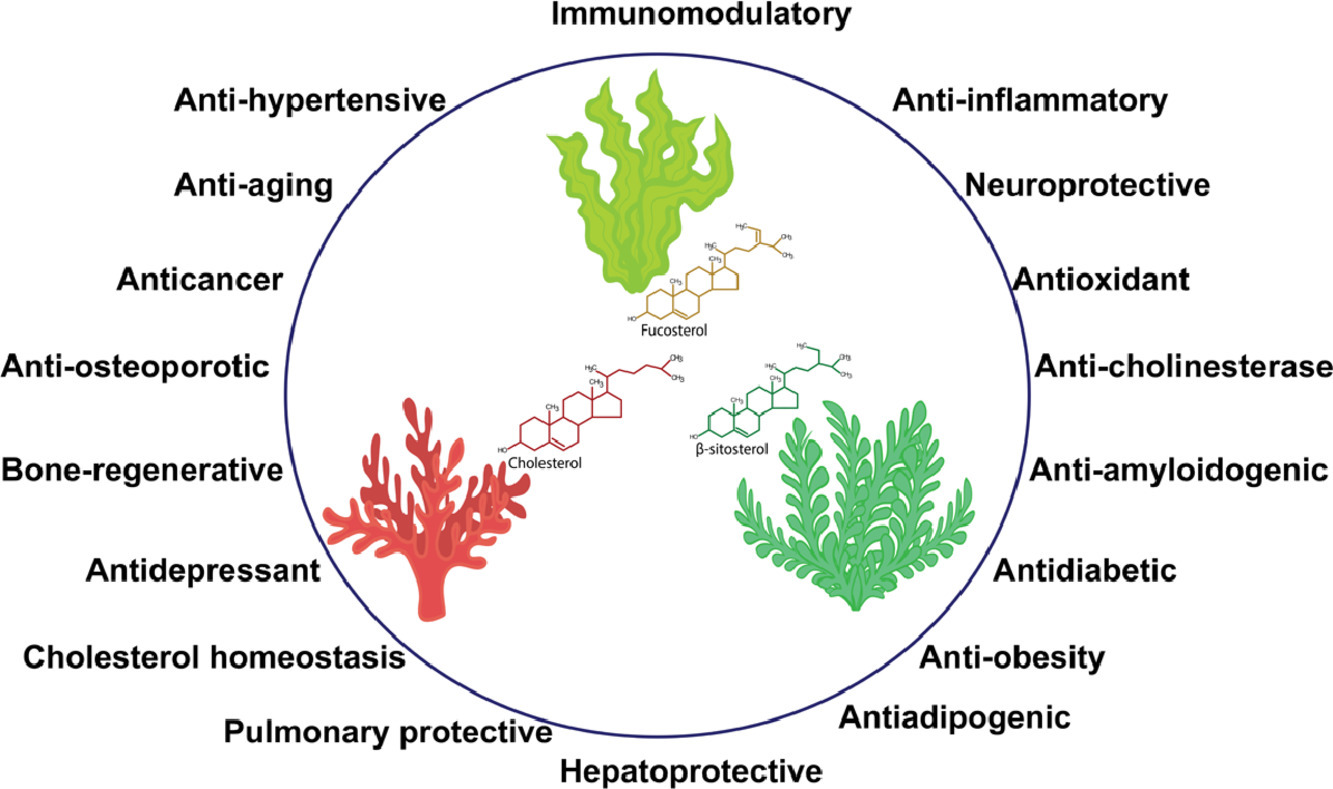
Phytosterols are naturally occurring molecules in plants, with a structure similar to cholesterol. They are widely present in various plants, and are particularly abundant in nuts, beans, sunflowers, soybeans, and vegetable oils such as sesame oil, peanut oil, and canola oil. The phytosterol family includes more than 250 different sterols and related compounds, among which sitosterol, stigmasterol, and campesterol are the most common types in the plant kingdom.
Functions of Phytosterols
Antioxidant and Anti-Inflammatory Properties
Phytosterols, represented by β-sitosterol, have been proven to possess antioxidant and anti-inflammatory properties. A study Physiological Functions and Applications of Phytosterols from the College of Pratacultural Science, Lanzhou University, mentions that β-sitosterol can inhibit superoxide anions and scavenge hydroxyl radicals. In addition, the study also found that adding 0.08%phytosterolsto oils can reduce oil oxidation, and their antioxidant capacity increases with the increase in concentration; when used in combination with Vitamin E or other antioxidants, the effect is even more significant. In the human body, these antioxidant and anti-inflammatory properties help reduce oxidative stress and inflammatory responses, both of which are closely related to various chronic diseases.
Applications of Phytosterols in the Cosmetics Field
- Anti-Aging Efficacy
A number of studies have explored the benefits of phytosterols for the skin. A German study involving 10 subjects found that creams containing phytosterols and ceramides can prevent collagen breakdown when the skin is exposed to sunlight. As we all know, long-term and repeated exposure of the skin to ultraviolet radiation from the sun will gradually lead to the loss of collagen, thereby causing signs of aging. Therefore, creams containing phytosterols can exert anti-aging effects by reducing collagen breakdown. The study also pointed out that such creams may stimulate collagen production. Another study found that phytosterols can promote the production of collagen and hyaluronic acid in human fibroblasts (cells that constitute the connective tissue of the skin and help repair skin damage). Among them, hyaluronic acid is an important moisturizing ingredient that can absorb 1,000 times its own weight in water, helping the skin maintain a hydrated state and a youthful texture.
- Skin Barrier Protection and Moisturization
Phytosterols have surface activity, a property that makes them valuable in cosmetic formulations. According to the BeautySail website, phytosterols can be used as skin conditioners, emollients, and humectants. In cosmetics, they help stabilize emulsions—which is crucial for the texture stability and effectiveness of products such as lotions and creams; at the same time, they can also have a positive effect on the skin barrier, helping the skin lock in moisture and resist external stimuli.
- Emulsifying and Stabilizing Properties
In the cosmetics industry, the emulsifying and stabilizing properties of phytosterols are highly favored. Phytosterols extracted from vegetable oils are usually rich in core components such as β-sitosterol, stigmasterol, and campesterol, and the core application of these phytosterols in cosmetics lies in utilizing the emulsifying and stabilizing capabilities of these components. According to information from professional industry platforms, such phytosterol-rich substances can help cosmetics form stable and uniform emulsions. The quality of emulsions directly affects the application feel of cosmetics, the release efficiency of active ingredients, and the product shelf life, which is crucial to the overall application effect and quality of cosmetics.
- Soothing and Repairing for Sensitive Skin
The anti-inflammatory properties of phytosterols make them an ideal ingredient in sensitive skin care products. A clinical trial published in 2021 in the Journal of the Korean Dermatological Association (a journal of the Korean Dermatological Association) showed that after 4 weeks of continuous use of a serum containing 2% phytosterols, the redness area of sensitive skin subjects was reduced by 37%, and the score of discomfort such as stinging and itching was reduced by 42%. Studies have shown that phytosterols can inhibit the release of skin inflammatory mediators (such as leukotriene B4) and promote the synthesis of ceramides in the skin stratum corneum—ceramides are core components for maintaining the integrity of the skin barrier, and people with sensitive skin often have ceramide deficiency.
- Oil-Control and Acne-Assisting Effects
Phytosterols also show unique value for people with oily and acne-prone skin. Experimental data from the American cosmetic raw material research institution Cosmetics & Toiletries shows that an oil-control toner added with 1.5% phytosterol esters can reduce the amount of oil secretion on the skin surface by 28% within 8 hours after use, without causing dryness and tightness of the skin. The principle is that phytosterols can regulate the lipid metabolism of sebaceous gland cells, reduce the synthesis of triglycerides in sebum, and at the same time alleviate the inflammatory symptoms of acne through their anti-inflammatory effects. In addition, a patent from Shiseido (Japan) (Patent No. JP2023024561A) mentions that the combination of phytosterols and salicylic acid can enhance the acne-fighting effect while reducing the irritation of salicylic acid to the skin, making it suitable for mild acne-fighting product formulations.
- Repair Applications in Hair Care
Beyond skin care, phytosterols also have a wide range of applications in hair care products. Research from Symrise, a European cosmetic raw material supplier, shows that phytosterols can penetrate into the gaps between hair cuticles, fill in damaged parts of the cuticles, and reduce hair split ends and breakage. In a usage test of hair conditioners containing 3% phytosterols, after 10 washes, the breakage strength of the hair increased by 23%, and the smoothness score increased by 31%. At present, hair care products such as Pantene Repair Series and Schwarzkopf Cashmere Nourishing Series all add phytosterol ingredients to improve dry and frizzy hair and enhance the toughness and luster of the hair.
In conclusion, phytosterols are a class of versatile compounds whose various functions are beneficial to both human health and the cosmetics industry. Whether it is the physiological functions of lowering cholesterol, anti-oxidation and anti-inflammation, or the diverse applications in skin care and hair care fields, phytosterols have become a highly valuable ingredient in various products. With the continuous deepening of research, we may discover more application scenarios and benefits of this magical plant extract.
- Name: Yuik
- E-mail: sales02@nahanutri.com
- WhatsApp:+8618066950297