
Understanding Homosalate: A Comprehensive Guide to Its Role in Cosmetics
What is Homosalate?Homosalate, also known as 4-Methylbenzylidene Camphor, is a chemical compound classified as a UV filter. It absorbs UVB rays, which are primarily responsible for sunburn and contribute to skin cancer. By incorporating Homosalate into sunscreens, manufacturers can enhance the product's effectiveness in protecting the skin from UV damage. | 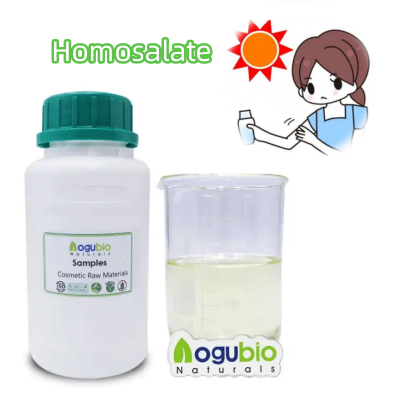 |
How Does Homosalate Work?
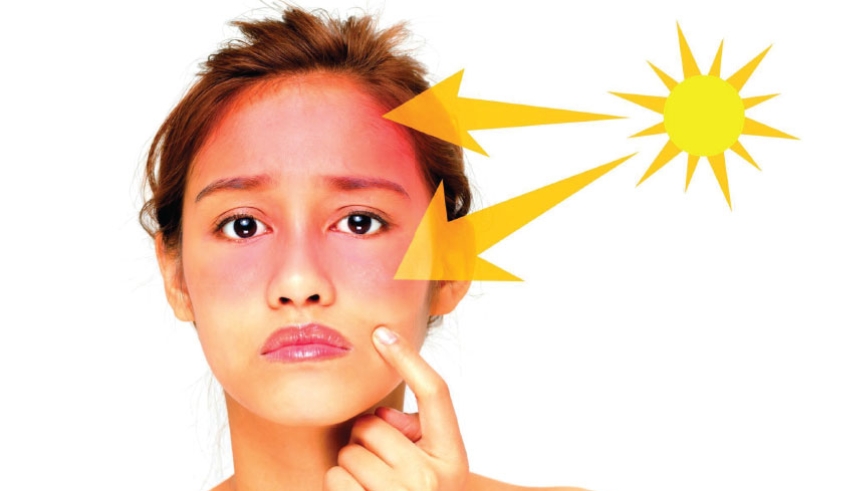
Homosalate works by absorbing UV radiation and converting it into a small amount of heat, which is then released from the skin. This process helps to prevent the harmful effects of sun exposure, including premature aging, skin discoloration, and increased risk of skin cancer. According to the American Academy of Dermatology, using a broad-spectrum sunscreen with an SPF of 30 or higher can significantly reduce the risk of skin cancer and skin aging.
Is Homosalate Safe for Use in Cosmetics?
The safety of Homosalate has been a topic of discussion among researchers and regulatory bodies. The European Commission's Scientific Committee on Consumer Safety (SCCS) has evaluated Homosalate and concluded that it is safe for use in cosmetic products at concentrations up to 10%. However, ongoing studies are essential to monitor any potential long-term effects.
Recent Research Findings
A 2022 study published in the Journal of Cosmetic Dermatology investigated the absorption and systemic exposure of Homosalate in humans. The results indicated that while the compound is absorbed through the skin, the levels detected in the bloodstream were below the safety threshold established by regulatory agencies. This finding supports the continued use of Homosalate in cosmetic formulations while emphasizing the need for further research to ensure consumer safety.
Market Trends and Development Directions
The global cosmetics market has seen a significant increase in demand for sun protection products, particularly in regions with high UV exposure. According to a report by Grand View Research, the global sunscreen market is expected to reach $30 billion by 2025, driven by rising awareness of skin cancer and the importance of sun protection.
- Natural and Organic Alternatives
As consumers become more conscious of the ingredients in their skincare products, there is a growing trend towards natural and organic alternatives. WhileHomosalate remains a popular choice due to its effectiveness, many brands are exploring plant-based UV filters as potential substitutes. Ingredients like zinc oxide and titanium dioxide are gaining traction for their broad-spectrum protection and perceived safety.
- Regulatory Changes
Regulatory bodies worldwide are continuously assessing the safety of cosmetic ingredients, including Homosalate. In the U.S., the Food and Drug Administration (FDA) is reviewing the safety of several sunscreen ingredients, which may lead to changes in regulations. Brands that stay ahead of these trends and adapt their formulations accordingly will likely gain a competitive edge in the market.
Common Questions About Homosalate
- Q1:Is Homosalate effective against UVA rays?
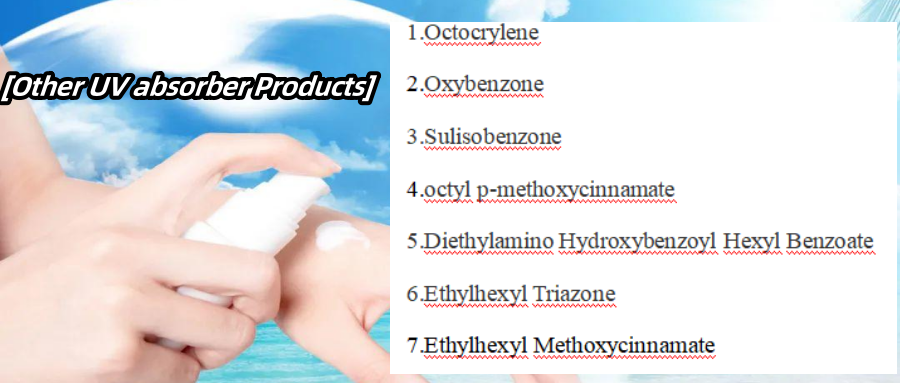
Homosalate primarily protects against UVB rays. For comprehensive sun protection, it is often combined with other UV filters that offer UVA protection, such as avobenzone or octocrylene.
- Q2:Can I use products containing Homosalate if I have sensitive skin?
While many individuals with sensitive skin can use products containing Homosalate without issues, it is always advisable to perform a patch test before applying any new product. Consulting with a dermatologist can also provide personalized advice based on your skin type.
- Q3:How should I apply sunscreen containing Homosalate?
For maximum effectiveness, apply sunscreen generously to all exposed skin at least 15 minutes before sun exposure. Reapply every two hours, or more frequently if swimming or sweating.
- Q4:Are there any environmental concerns associated with Homosalate?
Some studies suggest that certain chemical sunscreens, including Homosalate, may have harmful effects on marine life. As a result, there is a growing push for reef-safe products. Brands are increasingly formulating products that exclude potentially harmful ingredients to address these environmental concerns.
Conclusion
Homosalate is a crucial ingredient in the cosmetics industry, particularly in sunscreens, due to its ability to absorb UVB rays effectively. While research supports its safety, ongoing studies are essential to ensure consumer protection. The market for sun protection products continues to grow, driven by consumer awareness and regulatory changes. As the industry evolves, brands must adapt to emerging trends, including the demand for natural alternatives and environmental considerations.
By understanding the role of Homosalate in cosmetics, consumers can make informed choices about their skincare products, ensuring they receive adequate sun protection while being mindful of ingredient safety and environmental impact.